
Halloween in a Scary Year
Oct 29, 2026On Halloween, children dressed as ghosts and skeletons will ring my doorbell, and I hand them candy while my phone buzzes in my pocket with yet another news alert.
I love Halloween. I love that for one night a year, little kids walk around wearing death on the outside and nobody blinks. This year, though, I’ve noticed that the costumes feel less scary than the headlines.
Divisions are deepening within countries and between them, there are wars that seem to have no end, change is coming fast from every direction, and many of us feel unsteady in ways that are hard to name.
Halloween asks us to play at being scared, and plenty of us are already there.
What Halloween has always been for
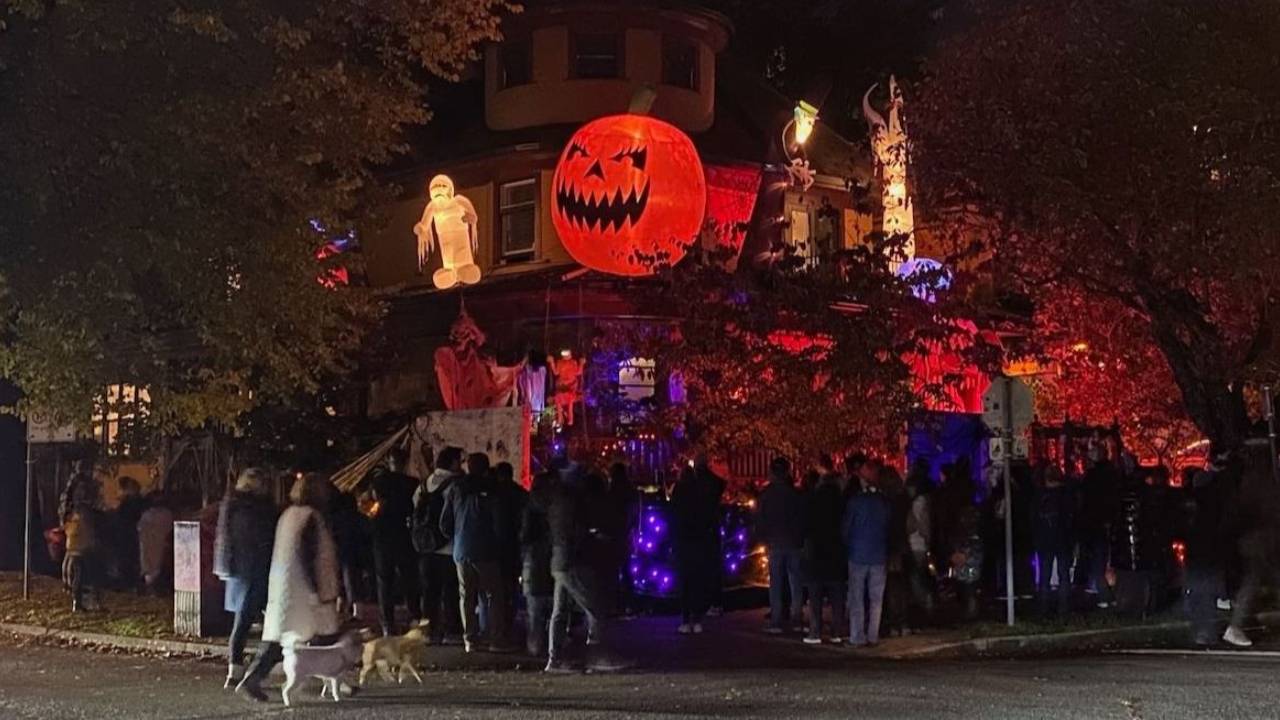
For as long as people have marked this time of year, they’ve used it to face fear together. During the Celtic festival of Samhain, families lit bonfires to ward off harmful spirits and set places at the table for the people they’d lost. Today we carve grinning faces into pumpkins, decorate our lawns with tombstones, and send our kids out into the dark in groups. We take the things that frighten us most, death and the unknown, and make them small enough to laugh at and hold in our hands.
That’s very close to what we do at Willow. Death education is, in a sense, Halloween all year round.
When people sit in a Willow Workshop™ and look directly at their own mortality in good company, the fear loosens and starts to feel like something they can live with and even learn from.
The veil is thin, and so is everything else
As I wrote a couple of years ago, Samhain marked the seam between the harvest and winter, a time when the boundary between worlds was believed to be thin. Times of great change feel like that too. What we knew is ending, and whatever comes next isn’t visible yet.
Those of you who sit with the dying know thresholds well. You’ve seen how people at the edge of life often get very clear about who and what matter most, and how much of what used to worry them falls away. Willow encourages you to borrow some of that clarity long before your deathbed.
What our fear of death has to do with the world
I can't fix what’s happening in the world, at least not on my own. I do believe the work closer to home matters more than it looks. The cultural anthropologist Ernest Becker argued that much of human conflict grows out of our unexamined fear of death. When we face our own mortality, we can hold a little less tightly to what divides us and a little more tightly to who and what matter most.
So for the sake of the world, I invite you this Halloween to face your fears around death and dying, and if you're a death worker, to help others face theirs.
One place to start is Willow’s Hopes and Fears exercise, which you’ll find in some of our Willow Workshops™ and in the Workbook, 7 Tools for Making Sense of Life & Death. It's a simple exercise that helps you put your fears into words by either writing them down, or saying them aloud. Common fears we've heard over the years are:
- Dying alone
- Living with pain
- Not having your affairs in order
- Dying with regrets
Naming a fear won’t make it disappear but once it’s out of your head and onto the page, or out loud in the room, you can start getting more comfortable with uncertainty, whether it’s about your own life or the world as we know it.
So here’s my Halloween question for you: What are your hopes and fears around your inevitable death? Talk about it with someone between knocks on the door.


