
The Conversations That Matter Most: A story about love, loss, and the clarity that changes everything
Mar 04, 2026Walking Into Myself
Last year at about this time my grandmother, at age 93, got pneumonia. It was her first serious illness. She lived a long, happy, idyllic mid-west Ohio life surrounded by family and friends. After a couple of weeks of being in and out of the hospital or nursing home it seemed that the end of her life was here. She’d been telling us for years that she was ready to go. She missed my grandfather. We knew that she had a heart condition of some kind that she was choosing not to get treated medically. My mom called to tell me it was time to come be with her and say goodbye.
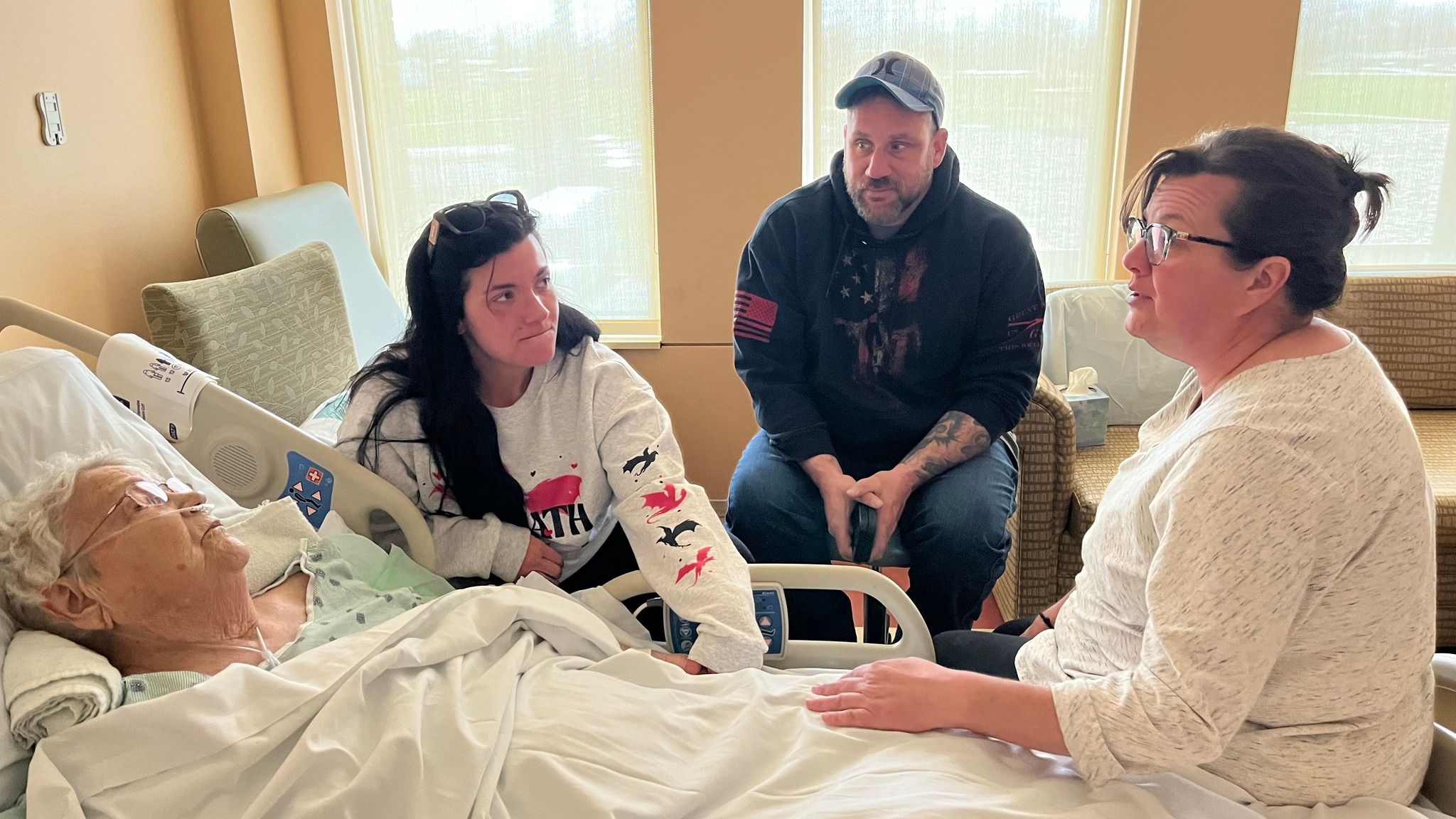
When I walked into her hospital room that day, I walked into myself. There was a deep peaceful presence in my heart as I took family members in my arms and felt their tension release in the safety of my embrace. I instinctively knew how to care for my grandmother without thinking about it. She allowed me to care for her in ways she wouldn’t let others, like rubbing her feet or giving her a sponge bath. I stayed with her overnight, holding her hand, listening to her breathing, on high-alert to meet her every need, to ensure she was comfortable and that she knew she was not alone. I wrangled with the constantly changing nursing staff who inevitably got her medications wrong with every shift change.
I am forever grateful for these nights I got to be with her. In the sacred silence. Just me and her.
During the days I slept, took long walks in the brisk winds coming off of Lake Erie, and made sure I ate well. I needed to be grounded and whole so I could serve her and hold space for my family, too. Because here’s what I witnessed happening with them:
What Love Looks Like Without a Plan
Her oldest daughter, the executor of her estate, was frantic about finding the second checking account. She didn’t know the name of the bank or the account number. Where was the checkbook? When would the statement come in the mail? Could she even retrieve the mail that was in grandma’s name? The checkbook, it turned out, was hiding in an unnamed file folder in the back of a closet. Grandma could have told her. Heck, she could have added my aunt’s name to that account years ago. A conversation. A simple act of love. That’s all it would have taken.
Her youngest daughter, who was a nurse by profession, was her primary medical decision maker. That made sense at one time, but she had been diagnosed with Alzheimer’s Dementia some years earlier. Despite conversations with my grandmother about updating that designation, she never had the emotional fortitude to actually do it. So the medical providers looked to her for direction on treatment choices. It was difficult for my aunt to follow all that was going on, and after weeks of stress, making these decisions became a burden on her. It was unfair that she was put in that position, and yet, there we were. If we’d had the courage to update that paperwork earlier, we would have given my aunt relief, given my grandmother better care, and given the medical team the clarity they needed. We would have been at her bedside instead of filling out forms.
My mom, her middle daughter, was determined to be at grandma’s side to ensure her care. She was the glue that held things together, communicating with the family about what was happening, checking in on our emotional needs, making sure we all ate well, and behind the scenes dealing with insurance forms, paperwork, and conversations with the nursing home and hospice about care options.
The rest of us circled around, loving as best we could. I noticed my brother wanting to contribute but not knowing how, so he went and bought a boat-load of cold cuts for sandwiches that no one really wanted.
Love, looking for a place to land.
A Good Death
My grandmother passed with my mom at her side, her hand over her heart. Her sisters had been with them just minutes before. She was comfortable and at peace until she finally gave her last breath. We had each other, and because of that, we got through it.
After a team of ten or more of us cleared out her tiny two-bedroom condo in multiple U-haul truckloads, we were exhausted. Wiped out physically, mentally, and emotionally. Grandma loved to shop and didn’t let go of anything. We went through old paperwork sheet by sheet, sorted through her jewelry wondering which pieces were family heirlooms, found a place to donate holiday decorations and lots of compression socks. It was a good death in that she was at peace. And we, as a family, had each other to move forward.
There’s a Better Way
After we got through this experience together, I looked at my parents and said, “So, listen. Grandma was the ‘silent is polite’ generation. I’ve spent 25 years watching families navigate these moments, and I know we can do better. This is not the experience of your passing that I want for myself, or my brothers.”
There’s a better way to approach the end of life. An empowered approach where conversations provide the clarity needed to keep the family connected because transparency fosters trust. A care plan that includes treatment decisions or parameters to guide decision makers and protect them from the anxiety of making gut-wrenching decisions. Guidelines on the roles and responsibilities for family, friends, and medical providers that tell exactly how to best care for you when that one-day, some-day time comes. Downsizing now, rather than leaving your responsibilities, your stuff, for someone else to bear after you are gone.
No guessing. No anxiety. Just presence, service, and love. Because there’s a plan and it’s been discussed.
That day I walked into my grandma’s hospital room and into myself, and I also walked into my new career: advanced care planning and end-of-life education.
I help families have the conversations that matter most, and are difficult to initiate on your own. These conversations provide the clarity that changes everything about your end of life experience. And not just your experience, but the experience those you love will have, too.
Planning ahead is one of the most loving things you can do for the people you care about. Talking about your one-day, some-day time, and how you’d like to be cared for, is a gift of peace of mind that your family will carry long after you’re gone.
Shawn K.Supers is a certified advanced care planning facilitator, licensed Willow End-of-Life Educator, and sacred ceremony celebrant. Her business, Embrace Advanced Care Planning, was born from this very story. Visit www.EmbraceYourPlan.com. Join her for an upcoming Willow Workshop!


