
What becomes possible when we meet mortality with care?
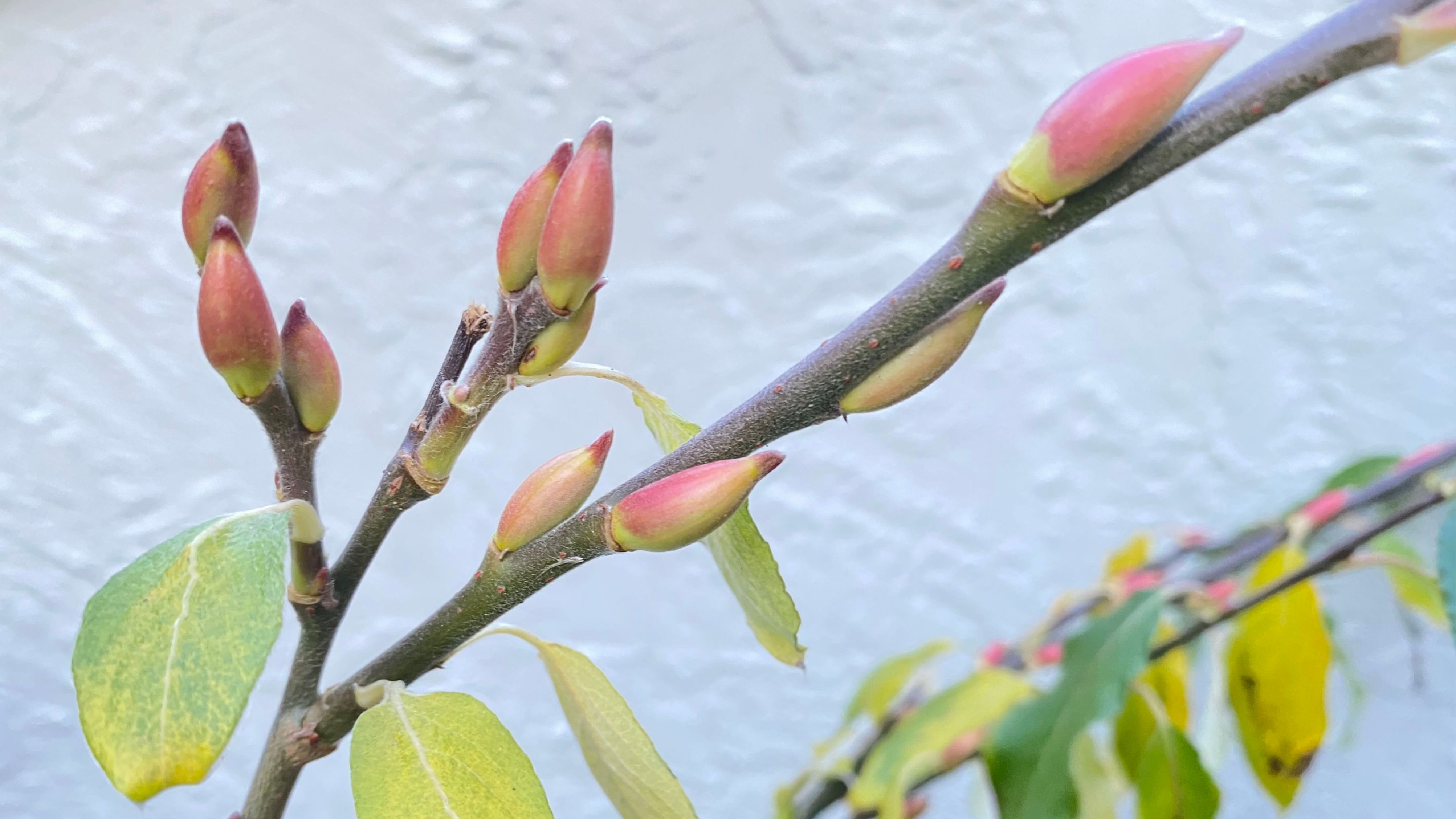
Dec 05, 2025photo: Willow buds beginning to open on my deck — early signs of new growth.
In last week’s post, Why We’re So Reactive Right Now, I shared how the Terror Management Theory (TMT) helps explain the defensiveness, polarization, and tension so many of us are witnessing and feeling. If you missed it, you can read it here. The central point was that when mortality comes close—sometimes quietly, sometimes dramatically—something inside us tightens. We cling to what divides us while avoiding what matters most, even when connection or clarity is what we truly long for.
If this kind of avoidance pulls us apart, thoughtful reflection brings us closer. And that’s where heart-centered end-of-life work becomes essential, not just for our personal peace of mind, but for the health of humanity.
What happens when we avoid mortality?
Most of us grow up in a culture that treats death like an unwelcome guest. Important conversations get postponed until the very end. People avoid planning. Families enter crisis without knowing what their person values or wants. Grief becomes something to hurry through. And while all of this is happening, fear sits just beneath the surface, shaping our behavior in ways we don’t recognize.
As I described in the first post, TMT shows that unacknowledged mortality can fuel reactivity, rigidity, and conflict. We see this in communities, in families, and within ourselves.
The hopeful side of mortality awareness
Thankfully, the same research also shows a more uplifting path. When people reflect on mortality with support and space, fear begins to loosen it's grip. They gain a clearer sense of what matters. They feel more grounded. They reconnect with themselves and with the people in their lives.
I’ve witnessed these shifts again and again. When people write a Legacy Love Letter® or a Heart Will®, explore their values, or talk openly about the kind of care they want, something opens. They move toward intention rather than avoidance. They start naming what truly matters in their life and making space for it. They often feel more connected, not only to others but to their own inner compass.
This is what Willow aims to nurture: the capacity to meet mortality with awareness rather than fear.
We need more people doing this work.
Transformation like this rarely happens in isolation. It depends on guides, companions, facilitators, educators, celebrants, end-of-life doulas, grief workers, and spiritual caregivers, who are willing to walk with others as they explore the realities of dying, loss, meaning, and legacy.
As more people step into this work, families communicate more clearly. Communities grow more resilient. Care becomes more aligned with values. Memorials and rituals gain depth. And the patterns described by TMT begin to dissolve. Instead of fear and defensiveness, we see openness, groundedness, and connection.
Am I talking to you?
Some readers feel drawn not only to reflect on mortality, but also to support others in doing the same. If that's you, you know that this work aligns with your values and your lived experience. You feel a pull toward planning conversations, ritual, grief support, storytelling, or helping people prepare for the end of life.
And yet, many of you who feel this calling get stuck. Not because the work itself is overwhelming, but because building an ethical, sustainable, soul-aligned practice can feel confusing. You don’t want to be pushy. You don’t know how to reach the people you feel inspired to serve. You hesitate to describe your offerings. You feel unsure about pricing or structure. You try to figure everything out alone in a culture that avoids the very topic you want to embrace.
In Vision to Venture Willow guides people who feel called to this work in building practices that reflect their values and help their communities thrive.
If their vision doesn't thrive, Willow's mission can't either.
Why supporting end-of-life practitioners matters
Supporting end-of-life practitioners isn’t just about helping individual careers take shape. It’s about building a healthier culture. When practitioners flourish, people receive guidance long before crisis. Conversations happen earlier and with more clarity. Grief is met with care. Decisions align with values. Fear eases. Families feel less isolated. And the cultural patterns predicted by TMT lose their force.
In short, supporting the people who support others strengthens all of us.
An invitation to reflect
What becomes possible for you and your community, when mortality is met with presence instead of fear?
Wherever you are on this path—curious about mortality, longing for deeper conversations, or sensing a call to serve—I invite you to take one small step. Reflect on what matters to you. Reach out to someone who might welcome a meaningful conversation.
Or, if you're an end-of-life practitioner, check out the Vision to Venture Program and begin exploring what you need, to bring your gifts forward with confidence and clarity.


